Article
OUTSOURCING ACCOUNTING SERVICES
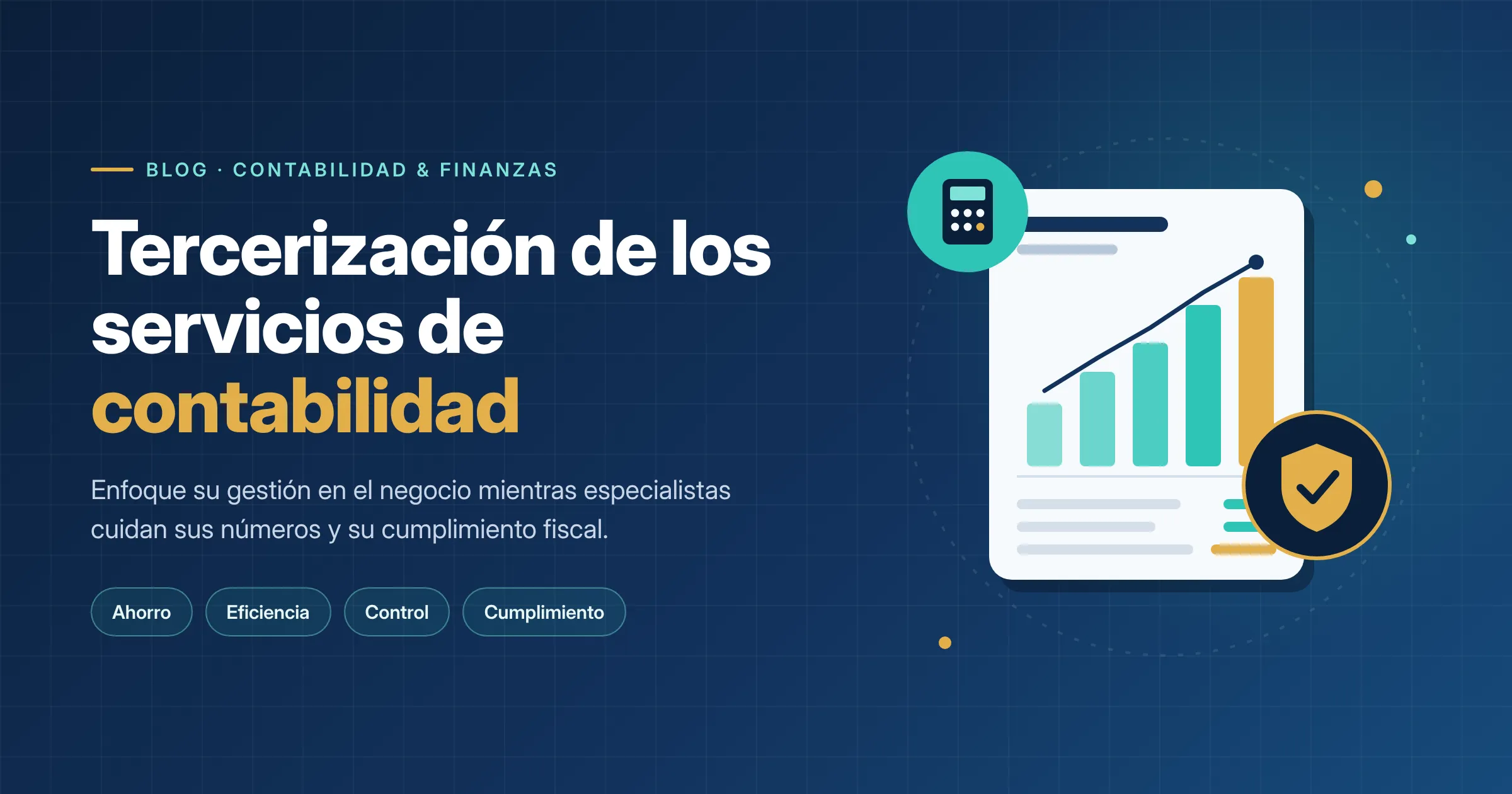
In Panama, every company, even a small business, is required to maintain accounting records, file and pay the Tax on the Transfer of Movable Goods and Services (ITBMS), submit its annual income tax return, report payroll information to the Social Security Fund (CSS), and, in many cases, prepare financial statements.
Maintaining an in-house accounting department capable of handling all these responsibilities to the required standard can be costly for many businesses. Accounting outsourcing allows companies to delegate these tasks to external specialists, enabling management to focus on what it does best: running the business.
What Does an Outsourced Accounting Service Include?
- Recording financial transactions and performing bank reconciliations.
- Monthly financial closings and preparation of financial statements in accordance with International Financial Reporting Standards (IFRS).
- Preparation and filing of ITBMS tax returns and annual income tax returns with Panama's General Directorate of Revenue (DGI).
- Payroll processing, calculation of employee and employer contributions to the Social Security Fund (CSS), and income tax withholdings.
- Assistance with DGI inquiries and requirements, as well as tax advisory services.
Key Benefits
- Predictable costs: A fixed service fee instead of the salaries, employee benefits, training expenses, and accounting software costs associated with an in-house department.
- Up-to-date expertise: Panama's tax regulations change frequently, and a dedicated team monitors these changes to help ensure ongoing compliance.
- Reduced risk of penalties and surcharges: Tax returns are prepared, reviewed by a Certified Public Accountant (CPA), and filed on time.
- Timely financial information: Monthly financial statements help businesses evaluate profitability, cash flow, and growth.
- Business continuity: Accounting services continue without interruptions caused by employee vacations, sick leave, or resignations.
- Flexibility: The scope of services can be adjusted according to the company's size, needs, and stage of development.
- Confidentiality: Non-disclosure agreements, controlled access to financial information, and secure data backups help protect sensitive business information.
When Should a Business Outsource Its Accounting?
Several signs may indicate that it is time to consider outsourcing:
- The company does not require a full-time accountant, or the business owner is personally managing the accounting records.
- Monthly financial closings or tax returns are consistently delayed.
- The company has received penalties, surcharges, or official notices from the DGI.
- The business is growing, and its existing financial information is no longer sufficient to support informed decisions.
- Financial statements are needed for a bank, an investor, or a public tender.
What Remains the Company's Responsibility?
Outsourcing accounting does not transfer legal responsibility to the external service provider. The company and its legal representative remain accountable to the DGI and other relevant authorities.
For this reason, outsourced accounting services deliver the best results when businesses provide invoices, bank statements, and supporting documents on time and maintain clear, consistent communication with their accounting team.
Conclusion
Accounting outsourcing combines cost savings, financial control, and specialized expertise.
When properly implemented, it allows businesses to meet their tax obligations with greater confidence while gaining access to reliable financial information for decision-making. At the same time, management can concentrate on growing the business.
At Auditaxes, we support companies across various industries with accounting services, tax compliance, and financial advisory solutions.
Contact us today to discuss your company's accounting needs and discover how we can help your business grow.